


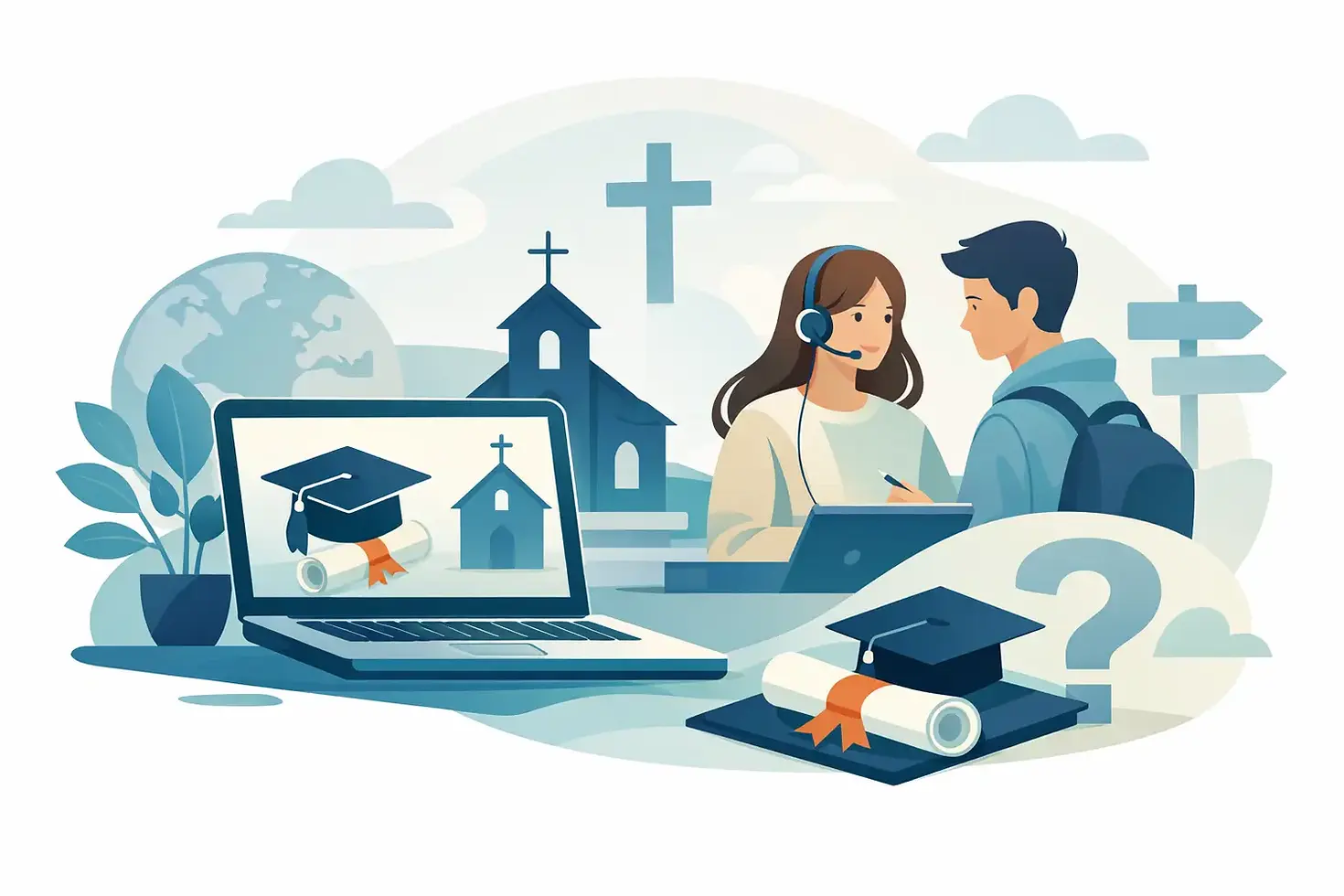
Is an Online Christian High School Diploma Right?
A teenager finishing biology at the kitchen table before an afternoon job. A homeschooled student ready for more structured coursework. An adult learner returning to complete a long-delayed goal. Each may need flexibility, but they should not have to set aside faith to find it. An online Christian high school diploma offers a path where academic progress and spiritual formation can belong in the same conversation.
For Christian families and students, a diploma is more than a document. It can be a meaningful step toward college, vocational preparation, ministry, and faithful service in the world. The best online programs recognize that students need strong instruction, clear expectations, compassionate support, and an education grounded in truth.
What Makes a Christian Online Diploma Different?
Online learning is a format, not a complete educational philosophy. A student can take courses online almost anywhere. What makes a Christian program distinct is the foundation beneath the coursework: the belief that knowledge, character, and calling are connected.
In a Christ-centered learning environment, biblical literacy is not treated as an occasional addition to the school day. Students are invited to see how faith shapes their conduct, their responsibilities, and the way they use their gifts. History, literature, communication, and service can become opportunities to think carefully about God’s world and a student’s place within it.
This does not mean every lesson becomes a sermon. It means education is approached with purpose. Students still need to read closely, write clearly, solve problems, meet deadlines, and master academic material. Christian instruction adds a larger question: How can this knowledge prepare me to honor God and serve others well?
As Romans 12:2 teaches, believers are transformed by the renewing of the mind. A high school education can be part of that renewal when it builds both discipline and discernment.
Who May Benefit From This Path?
An online Christian high school diploma can serve students in many different seasons. Some need a schedule that allows them to pursue athletics, arts, work, ministry, or family responsibilities. Others are seeking a learning environment that better supports their pace and needs. Some families choose online education because they want faith to remain an active part of their child’s formation.
Adult learners may also find that an online format gives them a realistic way to finish high school while balancing employment, parenting, or church responsibilities. Returning to school takes courage. A caring academic community can make that step feel less overwhelming and more hopeful.
Still, flexibility is not the same as ease. Online students need self-direction. They must make time for assignments, ask questions when they need help, and stay engaged even when no one is standing beside them in a classroom. For a student who thrives on daily in-person interaction and requires frequent external structure, a traditional setting may be the better choice. The right path depends on the student, not simply on what seems most convenient.
What to Look for in an Online Christian High School Diploma
Before enrolling, families and students should look beyond course titles and promotional promises. A meaningful diploma program should provide a clear academic plan and help students understand what they are working toward.
Consider these four areas carefully:
[Graduation requirements](https://www.bishopsteachercollege.com/highschooldiplomaanddualenrollment): Ask which courses and credits are required, how previous credits may transfer, and how long completion is likely to take.
Academic quality: Review the curriculum, teacher qualifications, grading practices, and the support available when coursework becomes challenging.
Recognition and next steps: Confirm how the diploma is issued and whether the program’s requirements fit the student’s plans for college, career training, military service, or employment.
Christian formation: Learn how Scripture, biblical studies, prayer, moral leadership, and a Christ-centered worldview are thoughtfully incorporated into student life and instruction.
Families should also ask practical questions about tuition, payment options, technology requirements, course access, and communication with instructors. Affordable tuition matters, but so does knowing that a student will not be left alone when questions arise. The most valuable online experience combines accessibility with genuine care.
Flexibility Should Build Discipline
The freedom of online learning can be a gift when it is used wisely. A flexible schedule may allow a student to learn during the hours when they are most focused, travel with family, maintain a job, or care for important responsibilities at home. Yet freedom without a plan can quickly lead to missed work and unnecessary stress.
Students benefit from creating a simple weekly rhythm. Set specific study hours, break larger assignments into smaller tasks, and keep a visible record of deadlines. A quiet workspace helps, but so does a willing heart. When a lesson feels difficult, perseverance matters more than perfection.
Parents, guardians, and mentors can offer encouragement without taking over. Ask what the student is learning. Celebrate completed work. Help them identify a missed deadline early rather than allowing discouragement to grow. For adult students, this same support may come from a spouse, pastor, friend, or trusted church member.
Christian education can frame this discipline as more than academic productivity. Colossians 3:23 calls believers to work wholeheartedly, as for the Lord. Completing an assignment honestly, preparing for an exam, and communicating respectfully with a teacher are everyday ways to practice integrity.
Keep College and Career Goals in View
High school should prepare students for what comes next, even when they are still discerning their direction. A student considering college should develop a strong record in core subjects, writing, reading, mathematics, science, and social studies. They should also learn how to manage their time, communicate professionally, and seek help when they need it.
For students drawn to teaching, ministry, early childhood education, hospitality, or service-oriented work, high school can be the beginning of a vocational calling. They do not need every answer now. They do need opportunities to recognize their gifts and connect learning to real responsibilities.
Dual-enrollment options can be especially helpful for motivated students who are ready to begin college-level work while completing their diploma. This route may save time and make the transition to higher education feel more familiar. It also requires maturity. Students should be prepared for the pace and expectations of college coursework before adding it to an already full schedule.
Bishop’s Teacher College supports students who want their educational dreams to remain connected to faith, service, and professional preparation. For the student called toward a future in the classroom, church, community, or workplace, learning can become a faithful response to God’s direction.
Faith Is Lived, Not Merely Studied
A Christian high school experience should help students gain knowledge, but it should also encourage the habits that sustain a life of faith. This includes humility when receiving correction, courage when facing challenges, compassion toward others, and wisdom in decision-making.
Online students can practice these habits intentionally. They can begin study time with prayer, reflect on Scripture, participate respectfully in class discussions, and find ways to serve in their local church or community. Digital learning does not have to mean isolated learning. A student’s family, congregation, mentors, and instructors can all help create a community of encouragement.
Ephesians 2:10 reminds believers that they are created in Christ Jesus for good works. Education does not earn a student’s value before God. Rather, it can equip them to walk more confidently in the good work God has prepared for them.
Take the Next Step With Wisdom
Choosing a high school program deserves prayerful attention. Compare the curriculum with the student’s goals. Consider the support they need to succeed. Be honest about scheduling demands, learning habits, finances, and the role faith should play in education.
A diploma marks an accomplishment, but it can also mark a beginning. With steady effort, caring guidance, and a heart anchored in Christ, students can prepare not only for their next academic step, but for a life of purposeful service.



Comments